feature
Singapore's Neighborhoods: The Cultural Mix in 5 Districts
Singapore is more than the Marina Bay Sands. The neighborhoods — Chinatown, Little India, Kampong Glam, Tiong Bahru, Joo Chiat — are the cultural core of the city, the most-photographed in Southeast Asia.
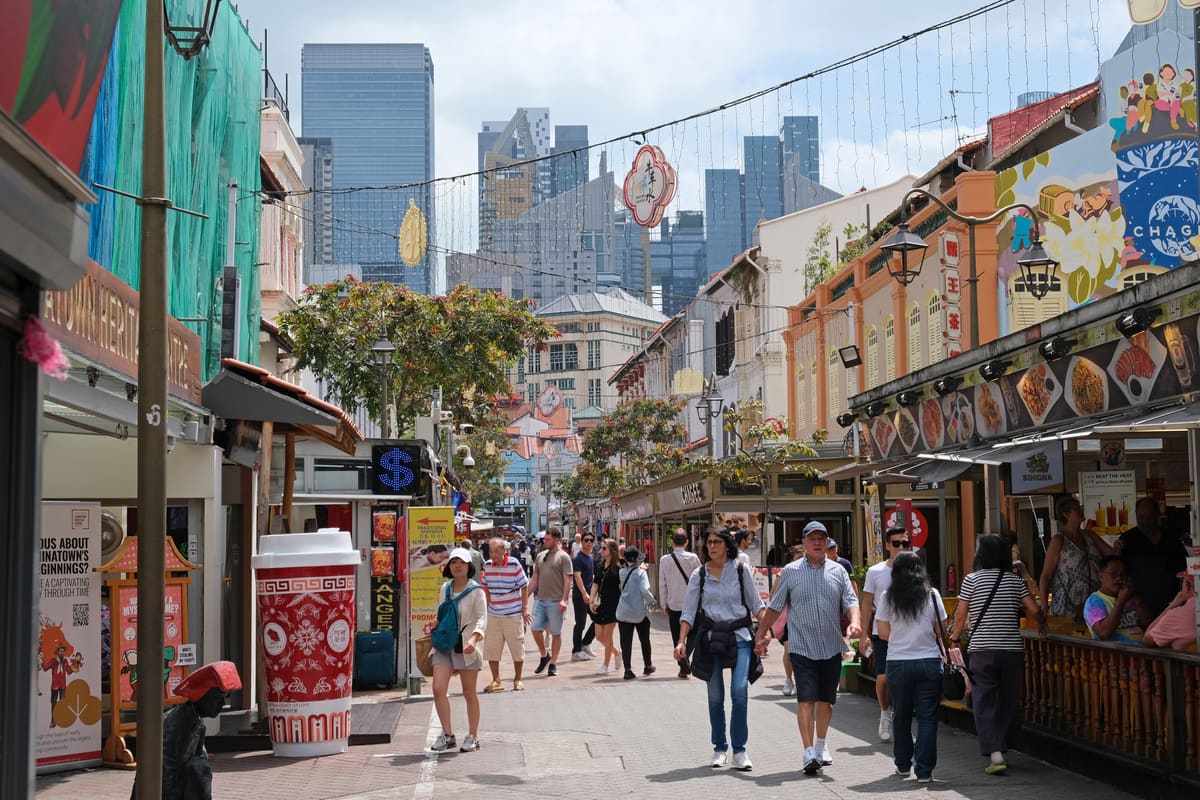
Singapore's neighborhoods are the cultural core of the city, the most-photographed in Southeast Asia, the most-distinct in Asia. The 5 districts — Chinatown, Little India, Kampong Glam, Tiong Bahru, Joo Chiat — each have their own character, their own food, their own temples, their own history. This is the guide to the neighborhoods.
Chinatown (the most-photographed)
The most-photographed neighborhood in Singapore, the most-distinct. The history: the Chinese immigrants settled here in the 19th century, and the area has been continuously inhabited by the Chinese since. The most-photographed: the Buddha Tooth Relic Temple (the most-photographed temple in Singapore, the most-distinct), the Sri Mariamman Temple (the most-photographed Hindu temple in Chinatown), the Chinatown Heritage Centre, the Smith Street (the most-photographed street in Singapore).
The food: the Maxwell Centre (the most-photographed hawker center in Singapore), the Chinatown Complex Food Centre (the largest, the most-photographed, the Michelin-starred Hong Kong Soya Sauce Chicken Rice), the Smith Street (the most-photographed food street, the dumplings, the most-distinct).
When to go: the evening (the lanterns are lit, the most-photographed 2 hours in the district), the Chinese New Year (the most-photographed, the most-distinct, the most-celebrated).
Little India (the most-distinct)
The most-photographed Indian neighborhood in Southeast Asia, the most-distinct. The history: the Indian immigrants (mostly Tamil) settled here in the 19th century, and the area has been continuously inhabited by the Indians since. The most-photographed: the Sri Veeramakaliamman Temple (the most-photographed temple in Little India, the most-distinct), the Little India Arcade, the Tekka Centre (the most-photographed hawker center in the area, the most-distinct).
The food: the Tekka Centre (the most-photographed Indian hawker center in Singapore, the most-distinct), the Komala Vilas (the most-photographed South Indian vegetarian, the most-distinct), the Mustafa Centre (the 24-hour department store, the most-photographed, the most-distinct).
When to go: the evening (the lights, the most-photographed), the Deepavali (the most-photographed, the most-distinct, the most-celebrated), the Thaipusam (the most-photographed, the most-distinct, the most-photographed festival in Little India).
Kampong Glam (the most-photographed Muslim neighborhood)
The most-photographed Malay-Muslim neighborhood in Singapore, the most-distinct. The history: the Malay royalty settled here in the 19th century, the area has been continuously inhabited by the Malays since. The most-photographed: the Sultan Mosque (the most-photographed mosque in Singapore, the most-distinct, the gold dome), the Malay Heritage Centre, the Haji Lane (the most-photographed street in Singapore, the most-distinct, the hipster).
The food: the Bussorah Street (the most-photographed food street in the area, the most-distinct), the Warong Nasi Pariaman (the most-photographed nasi padang in Singapore, the most-distinct), the Alaturka (the Turkish-Mediterranean, the most-photographed in the area).
When to go: the evening (the lights, the most-photographed), the Hari Raya (the most-photographed, the most-distinct, the most-celebrated), the Ramadan (the most-photographed, the most-distinct, the night markets).
Tiong Bahru (the most-photographed heritage)
The most-photographed heritage neighborhood in Singapore, the most-distinct. The history: the 1930s-era art deco low-rise flats, the most-photographed architecture in Singapore, the most-distinct. The most-photographed: the Tiong Bahru Market (the most-photographed hawker center, the most-distinct), the Qi Tian Gong Temple, the Yong Siak Street (the most-photographed street, the most-distinct), the BooksActually (the most-photographed bookstore, the most-distinct).
The food: the Tiong Bahru Market (the most-photographed hawker center in the heritage zone, the chwee kueh, the most-distinct), the 40 Hands Coffee (the most-photographed cafe in the area), the Tiong Bahru Galicier Pastry (the most-photographed patisserie, the most-distinct).
When to go: the morning (the most-photographed, the most-distinct), the weekend (the most-photographed, the most-distinct).
Joo Chiat (the most-photographed Peranakan)
The most-photographed Peranakan neighborhood in Singapore, the most-distinct. The history: the Peranakan (Straits Chinese) settled here in the 19th century, the area has the most-photographed Peranakan architecture in Singapore, the most-distinct. The most-photographed: the Joo Chiat Road (the most-photographed street, the most-distinct, the shophouses), the 328 Katong Laksa (the most-photographed laksa in Singapore, the most-distinct), the Rumah Bebe (the most-photographed Peranakan shop, the most-distinct).
The food: the 328 Katong Laksa (the most-photographed laksa in Singapore, the most-distinct), the Chin Mee Chin Confectionery (the most-photographed traditional bakery, the most-distinct), the Guan Hoe Soon (the most-photographed Peranakan restaurant, the most-distinct).
When to go: the evening (the most-photographed, the most-distinct), the weekend (the most-photographed, the most-distinct).
What to know about the neighborhoods
- All 5 neighborhoods are within 30 minutes of each other by MRT. The most-efficient itinerary: Tiong Bahru (morning) → Chinatown (lunch) → Kampong Glam (afternoon) → Little India (evening).
- Each neighborhood has a unique food culture. The hawker centers are the most-photographed, the most-distinct.
- The temples, the mosques, the churches are open to visitors. The dress is modest (covered shoulders and knees, no open shoes).
- The festivals are the most-photographed: Chinese New Year (Chinatown), Deepavali (Little India), Hari Raya (Kampong Glam), the Hungry Ghost Festival (across the city).
How to get there
The MRT (the subway) is the most efficient. Each neighborhood has an MRT station within 5-10 minutes walk.
Cost (1 day, per person, 2 sharing, mid-range)
- Food: S$20-40 (S$5-10 per meal at the hawker centers)
- Activities: S$0-20 (most temples are free)
- Transport: S$5-10
- Total: S$25-70 (US$20-50)
Filed under
Plan a trip to Indonesia
Use our AI trip planner to create a personalized itinerary in 30 seconds.
✨ Try the AI trip planner